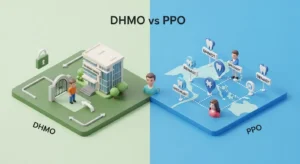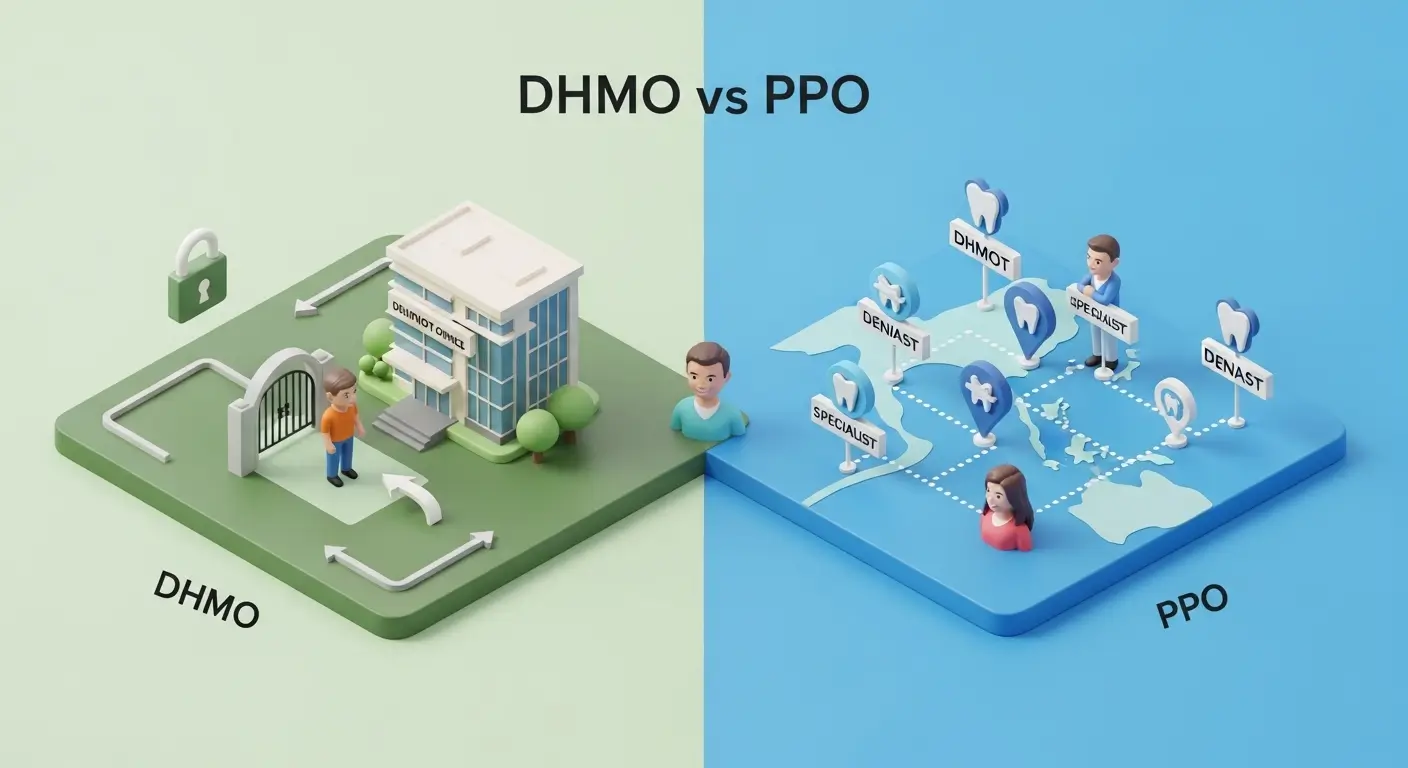
Understanding health insurance plans can feel like navigating a maze, especially when terms like DHMO and PPO come up. Imagine you’re visiting a dentist in your city. You check your insurance card and see DHMO listed.
You wonder, “Does this mean I have to choose a specific dentist?” On the other hand, a friend has a PPO plan and says, “I can visit almost any dentist I like.” Both DHMO and PPO are health insurance plans designed to cover medical or dental expenses, but they function differently. Knowing the difference between DHMO and PPO is crucial for making informed decisions about your healthcare.
If you are a learner or a professional in health management, understanding DHMO and PPO can save money and avoid unexpected surprises.
Pronunciation:
- DHMO – /ˌdiː.eɪtʃˈɛm.oʊ/ (US), /ˌdiː.eɪtʃˈɛm.əʊ/ (UK)
- PPO – /ˌpiː.piːˈoʊ/ (US), /ˌpiː.piːˈəʊ/ (UK)
Linking Hook:
Now that we know what DHMO and PPO stand for, let’s dive deeper into their key differences and practical implications.
Difference Between DHMO and PPO
1. Network Restrictions
- DHMO: Requires members to choose dentists or doctors within a specific network.
Example 1: Visiting a dentist outside the DHMO network may result in no coverage.
Example 2: DHMO plans encourage regular visits to in-network doctors. - PPO: Offers freedom to visit any doctor or dentist, though using network providers is cheaper.
Example 1: You can see a specialist without a referral in a PPO plan.
Example 2: PPO patients often pay higher rates if they go out-of-network.
2. Referrals Required
- DHMO: Usually requires a referral from a primary care provider to see a specialist.
- PPO: Does not require referrals; you can directly visit specialists.
3. Premium Costs
- DHMO: Generally has lower monthly premiums.
- PPO: Higher premiums due to flexibility and broader coverage.
4. Out-of-Pocket Expenses
- DHMO: Lower co-pays and minimal deductibles.
- PPO: Higher deductibles and co-pays, especially out-of-network.
5. Flexibility
- DHMO: Less flexibility in choosing providers.
- PPO: Highly flexible; you can visit almost any doctor.
6. Emergency Coverage
- DHMO: Covers emergencies but network rules still apply.
- PPO: Covers emergencies broadly, even outside the network.
7. Paperwork
- DHMO: Minimal paperwork; provider often handles claims.
- PPO: You may need to file claims if visiting out-of-network providers.
8. Preventive Care
- DHMO: Strong emphasis on preventive care like regular check-ups.
- PPO: Preventive care covered but may involve higher costs if outside network.
9. Specialist Access
- DHMO: Restricted access; requires PCP referral.
- PPO: Direct access to specialists without approval.
10. Best for
- DHMO: Ideal for budget-conscious patients.
- PPO: Ideal for those who value flexibility and travel frequently.
Nature and Behaviour
- DHMO: Structured, cost-effective, and network-focused. Promotes preventive care.
- PPO: Flexible, independent, and expansive. Encourages patient choice but may cost more.
Why People Are Confused
Many confuse DHMO and PPO because both cover similar medical services, yet the cost structure, flexibility, and network rules differ.
Comparison Table: DHMO vs PPO
| Feature | DHMO | PPO | Similarity |
| Network | Limited | Broad | Both cover medical/dental |
| Referrals | Required | Not required | Both provide insurance benefits |
| Premiums | Low | High | Both have monthly premiums |
| Co-pay | Low | High | Both involve co-pays |
| Specialist Access | Restricted | Direct access | Both cover specialists |
| Paperwork | Minimal | More | Both require some paperwork |
| Emergency Coverage | Covered with network rules | Broad coverage | Both cover emergencies |
| Flexibility | Low | High | Both ensure health care |
| Preventive Care | Strong focus | Moderate | Both encourage wellness |
| Best for | Budget-conscious | Flexibility-seeking | Both support health planning |
Which is Better in What Situation?
DHMO: Best for individuals or families on a budget who prioritize preventive care and don’t mind network restrictions. It reduces surprise medical costs and encourages regular check-ups.
PPO: Better for people who need flexibility, travel often, or prefer seeing specialists without referrals. Despite higher costs, PPO ensures freedom of choice and wider coverage.
Metaphors and Similes
- DHMO is like a guided tour, structured and predictable.
- PPO is like a free-roaming adventure, offering choices and freedom.
Connotative Meanings
- DHMO: Neutral-positive (efficient, predictable).
- PPO: Neutral-positive (flexible, empowering).
Idioms/Proverbs Related
- “Don’t put all your eggs in one basket” – relates to PPO flexibility, allowing multiple options.
- “Better safe than sorry” – relates to DHMO’s preventive care approach.
Works in Literature
- Not directly referenced in literature but health insurance themes appear in:
- The American Health Care Dilemma (Non-fiction, John Doe, 2018)
- Health and Society (Textbook, Jane Smith, 2020)
Movies on Health Insurance
- Sicko (2007, US) – Documentary about healthcare systems, including HMOs
- The Healthcare Movie (2015, US) – Insights into insurance coverage differences
Frequently Asked Questions
- Can I switch from DHMO to PPO?
Yes, during open enrollment or qualifying events. - Which plan saves more money?
DHMO usually has lower premiums and co-pays. - Do PPOs cover out-of-network emergencies?
Yes, they provide broader emergency coverage. - Is referral mandatory in PPO?
No, PPO allows direct specialist access. - Which plan is better for families?
DHMO for cost savings, PPO for flexibility.
How Both Are Useful for Surroundings
- DHMO: Promotes regular preventive visits, reducing emergency visits and strain on hospitals.
- PPO: Encourages patient choice, ensuring quicker access to specialist care and reducing system delays.
Final Words
DHMO and PPO serve different needs. DHMO is structured and budget-friendly, while PPO is flexible and patient-centered. Knowing the difference helps individuals make informed health decisions.
Conclusion
Choosing between DHMO and PPO requires understanding their network rules, cost structures, and flexibility. DHMO offers low-cost, predictable care with a focus on prevention, while PPO provides the freedom to choose providers at higher costs.
Awareness of these differences is vital for students, professionals, and society, ensuring better healthcare management. By evaluating personal needs, budget, and lifestyle, individuals can select the plan that best supports their health and well-being.

Sophia Bennett is a content researcher and editor at Compadiff, where she specializes in creating clear and engaging comparison articles. Her work focuses on explaining differences in health, lifestyle, education, and everyday topics in a way that is easy for readers to understand.